

Alternative Dispute Resolution (ADR)
Alternative Dispute Resolution (ADR) offers a collaborative, informal way to address concerns and disagreements related to special education. It creates a space where parents and IEP team members can be heard, voice concerns, and feel supported in working through challenging issues. Neutral facilitators help participants listen to one another, clarify needs, and identify solutions that support the student.
ADR may also include conflict coaching, providing individualized support to help parents or team members prepare for difficult conversations, express concerns effectively, and navigate conflict constructively. By resolving issues collaboratively rather than through litigation, ADR can build trust, strengthen relationships, and lead to educational plans that are both legally compliant and responsive to the student’s needs.
Who Can I Contact About ADR?
Families and school teams may begin the ADR process by contacting their district’s Director of Special Education. You may also reach out directly to our ADR providers for assistance or to learn more about available options.
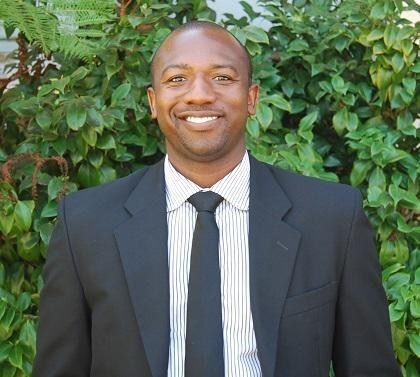
Jason Harper (ADR Consultant)
(323) 285-1070
Jason_Harper@swselpa.org
Allison Haynes (SELPA Program Coordinator)
(310) 263-3700 ext. 3702
Allison_Haynes@swselpa.org
Collaborative IEP
A collaborative IEP process brings families and school teams together to create a focused, inclusive, and student-centered plan. A neutral facilitator guides the team before, during, and after the meeting by supporting preparation, encouraging meaningful participation, keeping the discussion on track, and fostering respectful problem-solving. The goal is to build shared understanding and develop an IEP that reflects the student’s unique needs and supports their success.
Facilitated IEP
A facilitated IEP provides a structured approach to planning and conducting IEP meetings. Through thoughtful preparation, clear agendas, shared expectations, and strong parent-professional partnerships, the process creates a more focused and collaborative experience. The goal is to help teams communicate effectively, work through concerns, and develop meaningful plans that support student success.
1. What happens during an ADR session?
An ADR session provides an opportunity for families and school districts to address unresolved special education concerns in a structured, solution-focused setting. The process is designed to help the parties better understand one another’s perspectives, identify areas of agreement, and develop practical solutions that support the student. Families and educators know the student best, ADR keeps their knowledge and input at the center of the conversation.
2. How can I request ADR?
To learn more about the ADR process or initiate a request, please contact your district’s Special Education Director. You may also reach out directly to one of our two ADR providers for additional information, guidance, or assistance in coordinating an ADR session. Contact information is provided above.
3. Who attends an ADR session?
Parents and guardians may invite a support person to participate with them. School district representatives may include individuals such as Special Education Directors, Coordinators, Program Specialists, School Psychologists, Administrators, and Education Specialists, depending on the concerns being addressed.
ADR is a voluntary process built around respectful communication and shared problem-solving. Everyone participating is encouraged to come prepared to listen, contribute, and work collaboratively toward a resolution that serves the student’s needs.
ADR Brochures/Resources
The Pathways to Partnership consortium collaborates with all educational partners to build collective capacity, expertise, and resources in the prevention and resolution of conflict with a student-centered focus, in an environment of mutual respect, equity, and understanding, and with a mindset toward continuous improvement process.
Click on the highlighted to access the following videos:
- Diffciult Conversations
- Listening in the IEP Meeting
- Positions vs. Interests
The California Department of Education, Special Education Division, and the Seeds of Partnership project invite you to join this engaging webinar series.
Register for upcoming sessions through the links below:
https://www.seedsofpartnership.org/webinarandvideo.html
.jpg)